How Well Are You Doing Digital Clienteling?
|

|
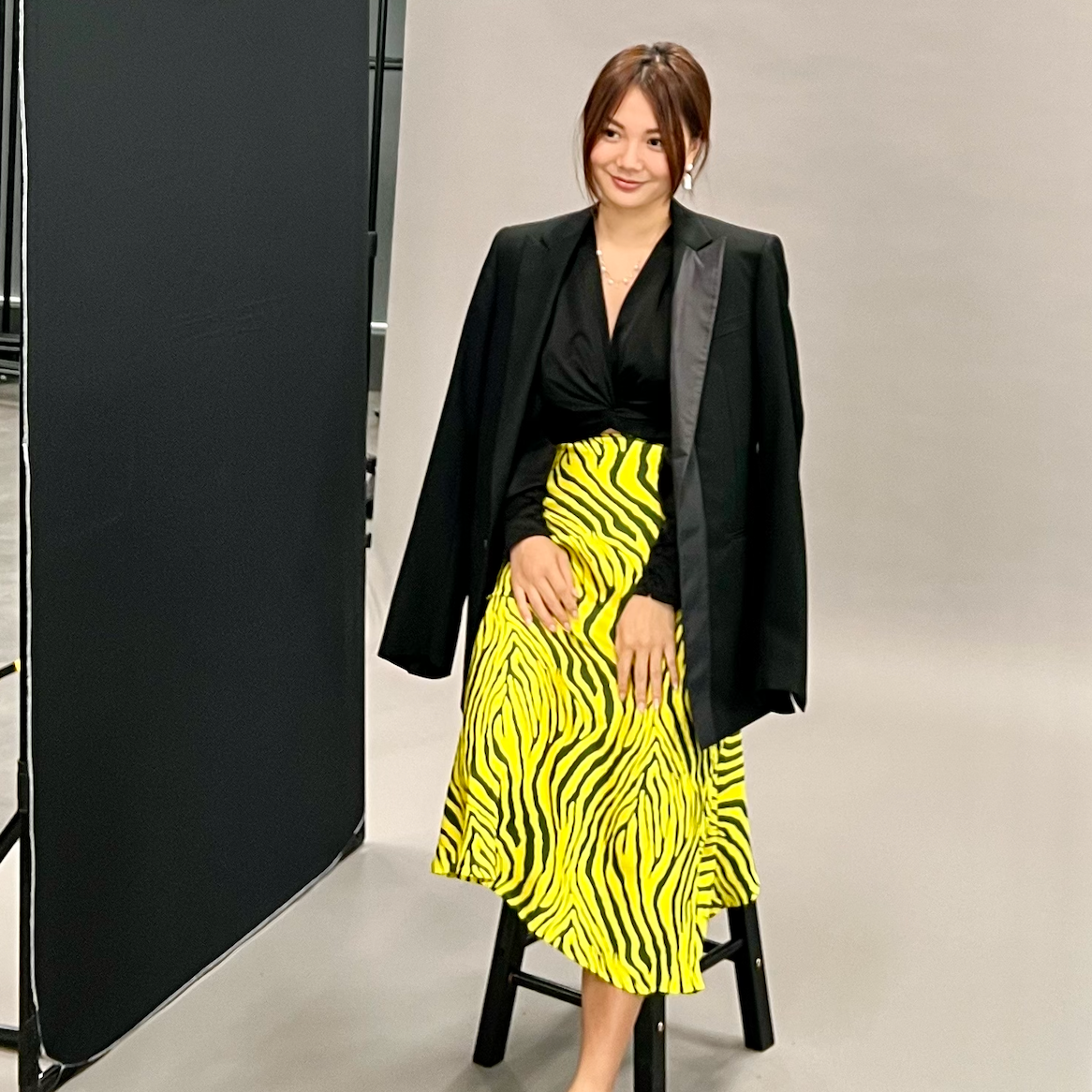
This week’s GC Insight comes from Summer Wong, our Luxury Consultant, reflecting on digital clienteling.
|
|
|
|
A salesperson’s day used to happen entirely on the floor. Now a good chunk of a top seller’s time goes into typing replies, recording voice notes, replying to a story at midnight, clients she won’t see in person for weeks.
McKinsey puts digital’s influence on luxury purchases at over 40%, even when the sale closes in a store. Online luxury sales have nearly tripled in a decade. In China, live commerce and social selling aren’t a side channel, for a lot of clients, that’s simply where the shopping happens.
I learned this properly as APAC Personal Shopping Manager at Mytheresa. One of my proudest moments there was closing an order worth half a million, with a client I hadn’t even met in person yet. The trust, the styling, the decision, all of it happened through digital clienteling. None of what follows is theory. It’s what I actually did, daily.
I touched on this in Episode 71 on digital messaging. This time I will share the fuller picture.
|
What digital clienteling actually looks like for frontline team:
|
|
What does a client see the moment she adds your contact? Your profile picture. Before she hears your voice, she’s already forming a read on who you are.
I always thought carefully about mine, because the moment she added my contact, I knew exactly what I wanted her first impression to be: stylish, and clearly on top of her game. Not glamorous, not trying too hard, just put together, the way I’d want to look if she ran into me tomorrow.
A few things you can work on:
-
Your WhatsApp icon: swap the pixelated selfie or blank silhouette for a proper, well-lit photo. Clients want to picture the person replying, not guess at them.
-
Your Instagram feed as a whole: scroll your own grid the way a client would, in under a minute. If it doesn’t read as considered, as you, start pulling the pieces that break the thread.
-
Your WeChat Moments: share the quiet, specific things, a detail from a new collection, a genuine thought, instead of reposting brand ads. One builds taste. The other erases it.
Before you post anything, ask: would this make a client trust me a little more? If not, it isn’t ready.
|
|
I kept a simple client profile spreadsheet, one column dedicated to how each person liked to be spoken to. That half-million order, in fact, was won this way: I knew exactly how she wanted to be approached, and never once pushed a format she hadn’t asked for.
The mass message is the easiest habit to fall into, and the most expensive one. Send the same “new-in” text to fifty clients, and all fifty know they’re on a list, not in a relationship.
A few practical things to track for each client:
-
Length: Some want speed, no ceremony, a long message just reads as unwanted effort. Others want depth, and shortening it for them reads as less care, not more.
-
Format: Some prefer a voice note over a wall of text. Others only really engage by email, or love jumping on a call.
-
Tone: Some are emoji-heavy and casual. Others prefer things kept clean and formal.
Add this to your client profiling, and you’ll start to see it for yourself: speak to a client the way she actually wants to be spoken to, and the relationship moves faster than you’d expect, sometimes long before she’s ever set foot in the store.
|
|
The quietest layer, and the one most advisors overlook: showing up in a client’s digital life, not just broadcasting into yours.
The client posts a story from a trip, a Moment about a new home. These aren’t invitations for a sale, they’re glimpses into her life outside the store, and most advisors let them go by.
A like already says you were paying attention. But name something specific- the place, the detail, the moment itself- and she knows you actually looked, rather than simply scrolled past.
One of my Cambodia clients loved colourful, dramatic eyewear, and this is what that looked like in practice:
-
When she posted something she’d found and was proud of, I commented on it specifically, not just a like.
-
If I thought an outfit would carry it particularly well, I’d message her directly to say so.
-
When I spotted a striking new pair myself online, I’d send it to her before she’d even asked.
That’s the shift: from occasionally noticing her life, to actually being part of it.
|
|
None of this means the boutique matters less. It means the relationship now lives in more places than before. Trust today is built in fragments: a photo she notices, a voice note at the right moment, a comment that lands just right, well before she ever walks through the door.
Loyalty grows fastest with the clients who feel truly seen, wherever you show up. Done well, digital clienteling makes the move from screen to store feel natural, so she walks in already connected, ready to buy. That half-million order was proof enough of that for me.
Pick one client today. Look at her photo, her spreadsheet entry, her last story. Then ask yourself honestly whether you’ve been managing the relationship, or simply present in it.
|
|
Ready to elevate your team’s digital clienteling? If you want your team turning online conversations into loyal, in-store clients instead of missed opportunities, let’s have a conversation.
|
Whenever you are ready, here are the ways we can support you (or your business) to thrive in your industry:
|
|
|
|